
By Original Kaneshie Market, a New Jersey-based online retailer shipping authentic West African groceries nationwide across the U.S., with orders going out daily.
Key Takeaways
- West African food spans dozens of distinct national cuisines, Nigerian, Ghanaian, Senegalese, Ivorian, and more, unified by shared staples like rice, cassava, yam, and palm oil rather than one single style of cooking.
- Two West African dishes, Senegal's ceebu jën (thieboudienne) and Côte d'Ivoire's attieke, have been formally recognized by UNESCO as Intangible Cultural Heritage of Humanity (UNESCO, 2021; UNESCO, 2024).
- Most dishes on this list build from a small set of core ingredients, rice, palm oil, egusi, cassava, and pepper blends, so trying several is more achievable than it looks.
- Each dish below notes the ingredients you would need to make it, in case you want to cook rather than just read about it.
Table of Contents
- What Counts as West African Food?
- Rice and One-Pot Mains
- Soups and Stews
- Proteins and Street Food
- Starches and Sides
- Sweets and Snacks
- Dish Quick Reference
- FAQ
What Counts as West African Food?
West Africa covers more than a dozen countries, Nigeria, Ghana, Senegal, Côte d'Ivoire, Mali, Sierra Leone, and others, each with its own distinct cuisine. There is no single "West African dish," but there is a shared pantry: rice, cassava, yam, plantain, palm oil, and a handful of dried spice and pepper bases show up across nearly every national cuisine in the region, just prepared differently from country to country.
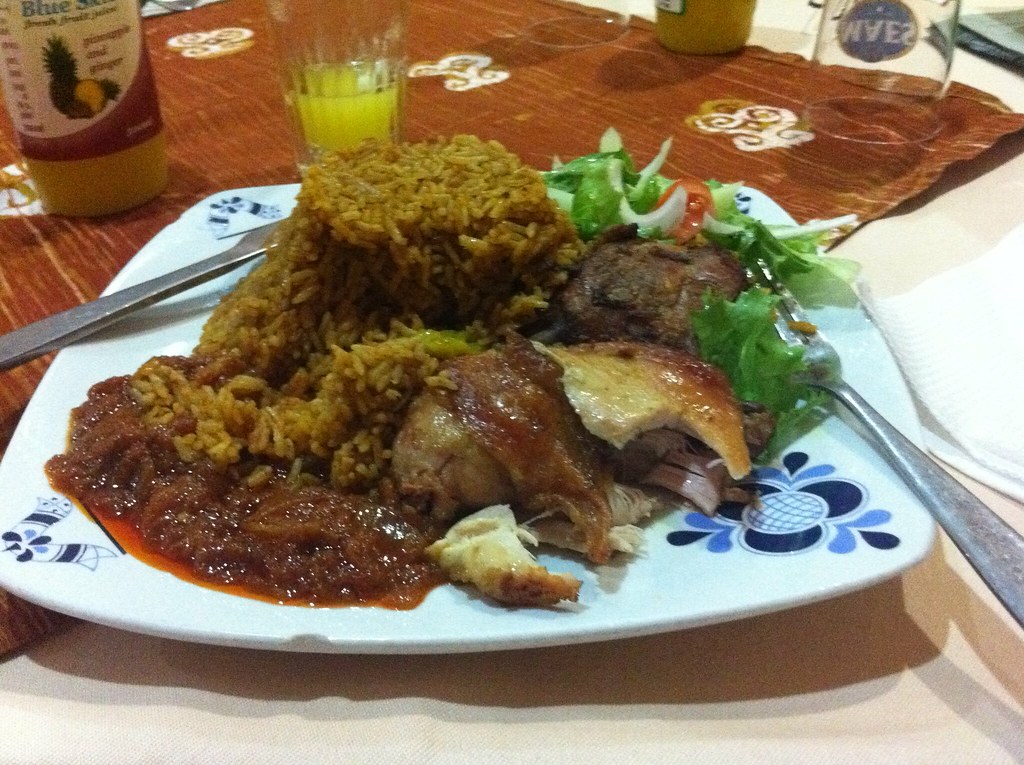
That shared pantry is why dishes with different names from different countries often taste like distant cousins. Jollof rice, Ghana's waakye, and Senegal's ceebu jën are all one-pot rice dishes built on a tomato-and-pepper base; the differences come from technique, regional spice blends, and which protein or vegetable gets added.
Below are 15 dishes worth knowing, grouped by category rather than country, since most of them show up in more than one West African nation's kitchen. For a broader look at what a West African grocery store actually stocks beyond these 15 dishes, see our complete guide to shopping West African groceries online.
Rice and One-Pot Mains
Jollof Rice
Long-grain rice slow-cooked in a tomato, pepper, and onion base until every grain absorbs the color and flavor of the sauce. Food historians trace the dish to the Wolof (Jolof) Empire, which rose to power in present-day Senegal around 1350 and controlled parts of the region into the 16th century (Britannica); it later spread and localized across Nigeria, Ghana, and beyond, each country now claiming its own version as definitive. To make it, you need long-grain rice, tomato paste, and a pepper-and-onion base at minimum.
Ceebu Jën (Thieboudienne)
Senegal's national dish and, by most culinary historians' accounts, jollof rice's direct ancestor: rice cooked in a fish-and-tomato broth with vegetables like cassava, carrot, and cabbage. In 2021, UNESCO inscribed ceebu jën on its Representative List of the Intangible Cultural Heritage of Humanity, citing it as a marker of Senegalese identity passed down through specific techniques and even dining customs (UNESCO, 2021).
Waakye
A Ghanaian rice-and-beans dish cooked together with dried millet or sorghum leaves, which give the grains their signature reddish-brown color. Waakye is typically served as a full plate with a spread of sides: spaghetti, gari (coarse, toasted cassava granules), boiled egg, fried plantain, and shito, a dark, smoky pepper sauce.
Soups and Stews
Egusi Soup
Ground melon seeds form the base of this thick soup, cooked down with palm oil, leafy greens, and meat or fish. It is one of the most widely eaten soups across Nigeria and Ghana and is typically served with a starchy side like fufu or pounded yam rather than rice.

Efo Riro
A Yoruba (southwestern Nigerian) spinach or leafy-green stew cooked with palm oil, peppers, and a mix of proteins, commonly beef, smoked fish, and stockfish. It is closer to a vegetable-forward stew than a soup, and it is a good entry point for anyone new to West African leafy greens.
Pepper Soup
A light, clear, intensely spiced broth, usually made with goat meat, fish, or chicken and a specific pepper soup spice blend (often including uda and uziza, two West African spices with no common substitute). Unlike egusi or efo riro, it is eaten on its own rather than with a starch, and it is a common remedy dish during illness or cold weather.
Proteins and Street Food
Suya
Thin strips of beef, skewered and grilled, then coated in yaji, a dry spice mix built on ground peanuts, chili, and ginger. Culinary historians generally credit suya's origins to the Hausa people of northern Nigeria, and it is now one of the most recognized West African street foods internationally, sold at night markets and roadside grills across the region.
Akara
Deep-fried bean cakes made from peeled, blended black-eyed peas, seasoned with onion and pepper. Akara is a common Nigerian and Ghanaian breakfast or snack food, and food historians trace its history further still: enslaved West Africans carried the recipe across the Atlantic, where it survives in Brazil today as acarajé.
Moin Moin
A steamed bean pudding made from the same black-eyed pea base as akara, but blended smoother and often studded with egg, fish, or corned beef before steaming in leaves or small tins. Where akara is crisp, moin moin is dense and custard-like.
Starches and Sides
Fufu
Pounding boiled cassava, yam, or plantain, depending on the region, produces this smooth, stretchy dough with a uniform, elastic texture. Fufu itself is not eaten alone; it is a vehicle for soup, torn off by hand and used to scoop egusi, efo riro, or any number of other soups.

Banku
A Ghanaian fermented dough made from a corn-and-cassava blend, cooked into a smooth, tangy paste. Banku is most often paired with grilled tilapia and a pepper sauce, a combination popular enough to function as a dish name of its own: "banku and tilapia."
Attieke
A staple of Côte d'Ivoire made from fermented, grated cassava, with a light, couscous-like texture, typically served alongside grilled fish. In December 2024, UNESCO inscribed the skills and knowledge behind attieke production on its Representative List of the Intangible Cultural Heritage of Humanity (UNESCO, 2024). Côte d'Ivoire's Ministry of Agriculture estimates the trade supports around 300,000 women producers nationwide.
Kelewele
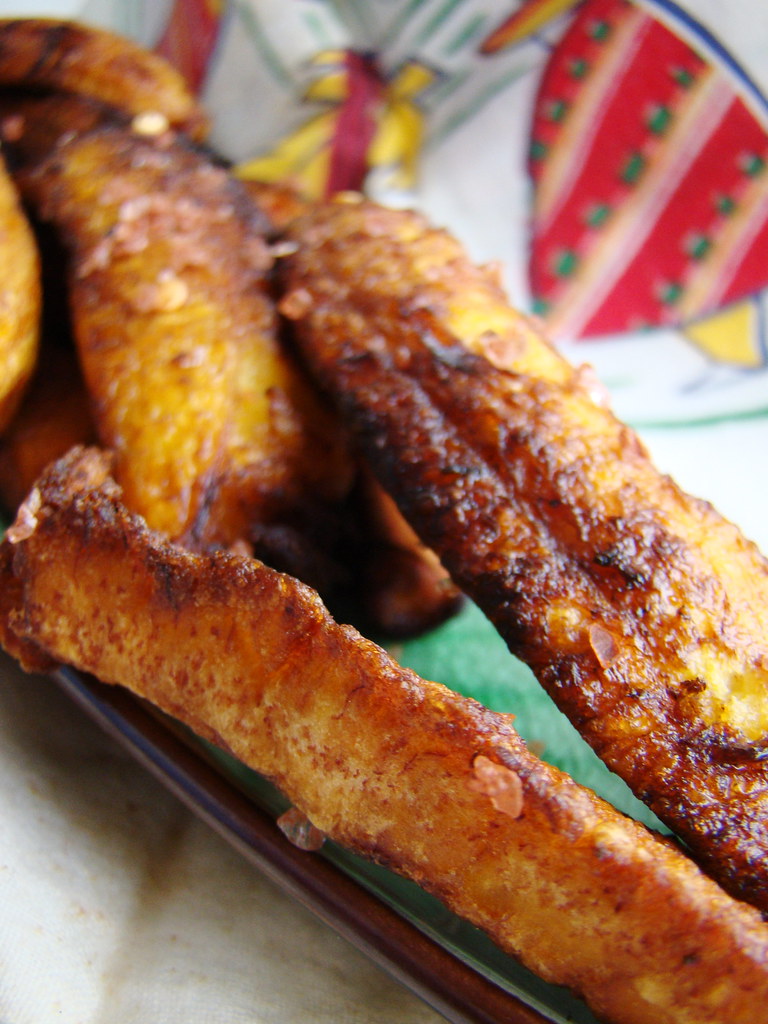
Ripe plantain, cubed and seasoned with ginger, pepper, and warm spices, then deep-fried until caramelized at the edges. A Ghanaian street food staple, kelewele sits somewhere between a side dish and a snack.
Sweets and Snacks
Puff-Puff
Deep-fried balls of sweet, yeast-leavened dough, similar in concept to a doughnut hole but with a lighter, airier crumb. Puff-puff shows up at nearly every Nigerian and Ghanaian celebration, and recipes vary mainly by how much sugar and nutmeg go into the batter.
Chin Chin
Made from a stiffer, less sweet dough than puff-puff, chin chin is cut into small cubes or twists before frying until hard and golden. It keeps well for days, which is part of why it travels so easily as a packaged snack, both across West Africa and to diaspora households abroad.
Frequently Asked Questions
Is West African food spicy?
Many dishes are seasoned with pepper, but heat levels vary widely by dish and household. Pepper soup and suya's yaji spice mix tend to run hot, while dishes like waakye or fufu with egusi soup can be made mild or spicy depending on how much pepper goes into the base.
Are there vegetarian West African dishes?
Yes. Akara, moin moin, kelewele, and jollof rice can all be made fully vegetarian, since their core ingredients (beans, plantain, rice, tomato) do not require meat or fish. Soups like egusi are traditionally made with meat or fish, but plant-based versions using vegetable stock are common in home cooking.
What is the difference between West African and East African food?
The two regions rely on different staple ingredients and flavor bases. West African cooking centers on rice, cassava, yam, palm oil, and pepper-forward sauces, while East African cuisine draws more on injera (fermented flatbread), berbere spice blends, and dishes shaped by Horn of Africa and Indian Ocean trade routes. The two traditions share very little overlap despite both falling under the broad "African food" label.
What ingredients should I stock to start cooking West African food at home?
Palm oil, a bag of rice suited for jollof, egusi seeds, and a basic pepper-and-onion base cover a surprising number of dishes on this list. From there, dried crayfish, suya spice, and cassava-based staples like garri or attieke round out a working pantry.
Where can I buy authentic ingredients for these dishes in the US?
Specialty African grocery stores, in person or online, are the most reliable source for authentic ingredients like true palm oil, egusi seeds, and specific rice varieties, since general supermarkets rarely stock more than one or two substitutes. See our step-by-step guide to buying African food online for the full process, from vetting a store to your first order.
Dish Quick Reference
| Dish | Country/Region | Category | Key Ingredients |
|---|---|---|---|
| Jollof Rice | Nigeria, Ghana, Senegal (regional) | Rice and one-pot mains | Long-grain rice, tomato, pepper, onion |
| Ceebu Jën (Thieboudienne) | Senegal | Rice and one-pot mains | Rice, fish, tomato broth, cassava, vegetables |
| Waakye | Ghana | Rice and one-pot mains | Rice, beans, millet/sorghum leaves |
| Egusi Soup | Nigeria, Ghana | Soups and stews | Ground melon seeds, palm oil, leafy greens, meat or fish |
| Efo Riro | Nigeria (Yoruba) | Soups and stews | Leafy greens, palm oil, peppers, mixed protein |
| Pepper Soup | Nigeria, Ghana, Cameroon | Soups and stews | Goat meat, fish, or chicken; uda and uziza spice |
| Suya | Nigeria (Hausa origin) | Proteins and street food | Beef, yaji (peanut, chili, ginger spice mix) |
| Akara | Nigeria, Ghana | Proteins and street food | Black-eyed peas, onion, pepper |
| Moin Moin | Nigeria | Proteins and street food | Black-eyed peas, egg, fish, or corned beef |
| Fufu | Nigeria, Ghana, Cameroon | Starches and sides | Cassava, yam, or plantain |
| Banku | Ghana | Starches and sides | Fermented corn and cassava dough |
| Attieke | Côte d'Ivoire | Starches and sides | Fermented, grated cassava |
| Kelewele | Ghana | Starches and sides | Ripe plantain, ginger, pepper, warm spices |
| Puff-Puff | Nigeria, Ghana | Sweets and snacks | Yeast-leavened dough, sugar |
| Chin Chin | Nigeria, Ghana | Sweets and snacks | Flour dough, sugar (fried, less sweet than puff-puff) |
Conclusion
West African food is not one cuisine but a shared pantry, rice, cassava, yam, palm oil, and pepper, expressed differently across a dozen countries. Two dishes on this list, ceebu jën and attieke, now carry UNESCO recognition as cultural heritage, but all fifteen represent generations of technique passed down the same way: by hand, from one cook to the next.
If any of these dishes caught your attention, the fastest way to try one is to start with the ingredients rather than a restaurant reservation.
Ready to cook? Shop Original Kaneshie Market's full catalog of authentic West African ingredients, shipped nationwide with orders going out daily.