
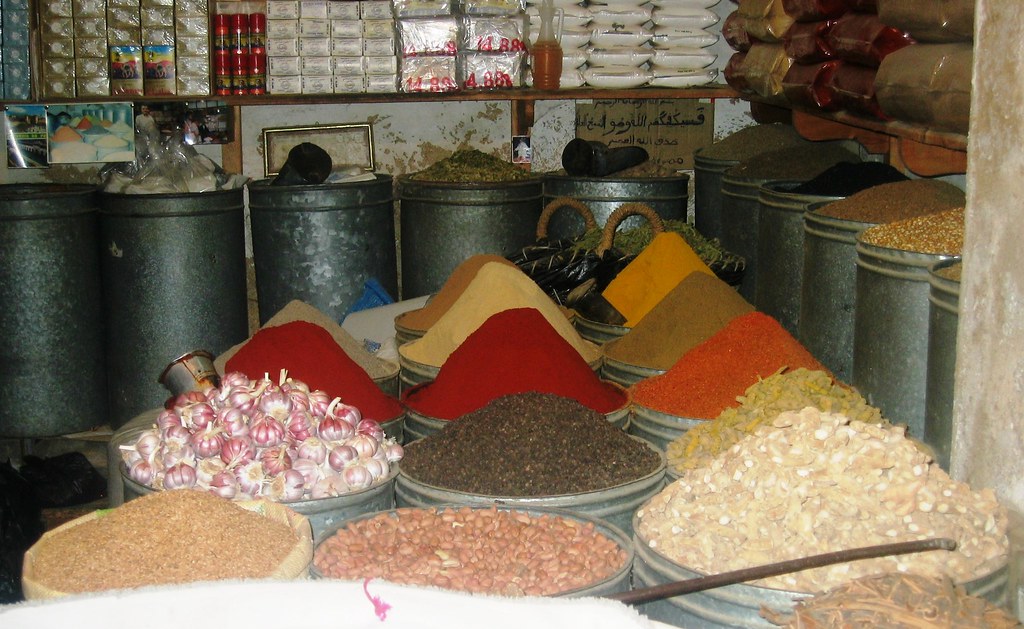
By Original Kaneshie Market, a New Jersey-based online retailer shipping authentic West African groceries nationwide across the U.S., with orders going out daily.
Key Takeaways
- You can buy African food online in the USA in five steps: know what you're looking for, vet the store, build a first order, match shipping to product type, and check out through a secure payment page.
- Checkout complexity and slow delivery estimates are two of the biggest reasons online orders get abandoned before completion (22% and 21% of cases respectively, Baymard Institute, 2026), so a trustworthy store makes both fast and clear.
- 66% of consumers say payment performance, not price, is the top driver of trust at checkout (Checkout.com, 2025), so a secure, fast checkout page matters as much as product selection.
- Starting with a small first order (one spice, one protein, one pantry staple) is the easiest way to test a new store before committing to a bulk purchase.
Table of Contents
- Why Buying African Food Online Is the Default Now
- Step 1: Know What You're Looking For
- Step 2: Vet the Store Before You Buy
- Step 3: Build Your First Order
- Step 4: Match Shipping to Product Type
- Step 5: Complete Checkout Safely
- What to Expect After You Order
- FAQ
Why Buying African Food Online Is the Default Now
By mid-2025, more than 61% of U.S. households were buying groceries online at least occasionally (Brick Meets Click/Mercatus, 2025), and that shift has carried over directly into specialty categories like African groceries. For most shoppers outside a handful of major metro areas, ordering online is no longer a workaround; it is simply how you buy palm oil, egusi, or yams without driving to a specialty market that may not exist nearby.
The mechanics of buying, though, trip people up more than the shopping itself. Below is the actual process, step by step, from figuring out what you need to what happens after you click "place order."
Step 1: Know What You're Looking For
Before you open a store's website, get specific about what you actually need. "African food" spans dozens of cuisines; West African staples like palm oil, egusi (ground melon seeds used as a soup base), garri (a toasted, fermented cassava staple), and suya spice (a smoky grilled-meat rub) are not interchangeable with East African or North African ingredients, even though a general search often mixes all three together.
If you are cooking a specific dish, jollof rice, egusi soup, suya, write down the two or three ingredients you cannot substitute (the rice variety, the melon seed base, the spice blend) before you start browsing. That short list does two things: it keeps you from over-ordering on your first visit, and it lets you check a store's catalog quickly instead of scrolling through everything.
Step 2: Vet the Store Before You Buy
This is the step most first-time buyers skip, and it is where most bad experiences start. Checkout complexity and unclear delivery timing are the two leading reasons online orders get abandoned mid-purchase, accounting for 22% and 21% of cases respectively across the broader e-commerce market (Baymard Institute, 2026). A trustworthy African grocery store avoids both by design.
Before entering payment details anywhere, check for:
- A specific, named catalog. Real brand names (a particular sardine brand, a named palm oil producer) beat generic listings like "cooking oil."
- A stated shipping cadence. "Orders ship daily" is a stronger signal than a site with no shipping information at all.
- Visible trust signals. HTTPS, a working contact page, and either customer reviews or press coverage.
- Clear delivery windows. Sites that tell you upfront how long frozen versus shelf-stable orders take avoid the exact ambiguity that drives cart abandonment.
Step 3: Build Your First Order
Resist the urge to stock an entire pantry in one order. A focused first purchase keeps shipping costs predictable and tests the store's packaging and delivery quality before you commit to a bulk order. Aim for one spice or cooking base, one protein or starch, and one pantry staple.

A reasonable starter cart looks like one bottle of palm oil, one bag of frozen goat meat or fish, and one pack of egusi or suya spice. That combination covers a full meal and tests both shelf-stable and cold-chain shipping in the same order. It also stays small enough that a shipping delay or substitution is a minor inconvenience rather than a wasted grocery budget.
Step 4: Match Shipping to Product Type
Not every item in an African grocery order ships the same way, and mismatched expectations here are the most common source of buyer's remorse.
| Product type | Examples | What to check before ordering |
|---|---|---|
| Shelf-stable pantry | Rice, garri, canned goods, spices | Ships like a standard package; tolerates normal transit time |
| Frozen | Goat meat, fish, some vegetables | Needs insulated or expedited shipping; confirm the store states this before you order |
| Fresh produce | Yams, plantains | Most time-sensitive; only order from stores that fulfill and ship the same or next day |
If a store's shipping policy does not answer what happens to each of these product types before you check out, that is a signal to order a smaller test batch first rather than a full pantry restock.
Step 5: Complete Checkout Safely
Payment performance, not price, is what shoppers say they trust most at checkout. In a global survey of 18,000 consumers, 66% named payment performance as the single biggest driver of checkout trust in 2025. In practice, that means a fast, unambiguous payment step matters as much as the product page that got you there.
Before you enter card details:
- Confirm the page uses HTTPS (a padlock icon in the browser address bar).
- Look for a recognized payment processor rather than an unfamiliar third-party redirect.
- Check that the order summary, including shipping, matches what you expected before you reach the final page. Unexpected costs at the last step are one of the most common reasons shoppers back out entirely.
What to Expect After You Order
Most established African grocery stores fulfill and ship orders daily, so a confirmation email with a tracking number is a reasonable expectation within one business day. Delivery timing after that depends on your location and whether your order includes anything frozen or fresh.
If something arrives damaged, wrong, or late, check the store's stated policy before assuming the worst: a store that publishes a clear contact method and response process is generally the same one that vetted well in Step 2. First-time issues are common enough with perishable shipping that a reasonable store expects and handles them, rather than treating every complaint as an edge case.
Frequently Asked Questions
What payment methods do African grocery stores online usually accept?
Most accept major credit and debit cards through a standard encrypted checkout, and many also support digital wallets like Apple Pay or Google Pay for faster, more secure checkout on mobile devices.
Is there a minimum order amount to buy African food online?
It varies by store. Some set a minimum to make shipping cost-effective, especially for frozen items, while others allow single-item orders. Check the store's shipping or FAQ page before assuming either way.
How much does shipping usually cost?
Shipping cost depends heavily on whether the order includes frozen or fresh items, which require insulated packaging and faster transit than shelf-stable goods. Ordering a few items together, rather than several small separate orders, is the most reliable way to keep shipping cost proportional to what you are buying.
What if I need to return or replace an item?
Policies vary, but a trustworthy store publishes its return or replacement process before you need it, not only after you ask. For frozen or fresh items, most stores handle issues through replacement or refund rather than a physical return, since shipping perishable goods back is rarely practical.
Can I set up recurring orders for staples I use often?
Many stores support repeat or subscription-style ordering for high-turnover items like spices and cooking oils, since these are the categories shoppers reorder most often. If a store does not offer it directly, saving a cart or reordering from order history is the next-best option.
Conclusion
Buying African food online in the USA comes down to five repeatable steps: know exactly what you need, vet the store before you pay, start with a small first order, match shipping expectations to what you are buying, and check out through a page you actually trust. Get those right once, and every order after the first gets faster.
Ready to order? Shop Original Kaneshie Market's full catalog of authentic West African groceries, with orders shipped nationwide every day.