
Traditional Ghanaian Food: A Complete Guide to Ghana's Most Beloved Dishes
Ghanaian cuisine is built on bold flavor, patient preparation, and a deep sense of communal eating. From smoky grilled fish to slow-simmered stews and fermented corn staples, traditional Ghanaian food reflects centuries of regional tradition passed down through families. Whether you grew up eating these dishes or you're discovering them for the first time, this guide walks through the staples that define Ghanaian cooking and what makes each one special.
As Wikipedia's overview of Ghanaian cuisine notes, the country's food culture draws heavily on starchy staples, fish, and richly spiced soups and stews, a foundation shared across the region but expressed differently from one Ghanaian community to the next.
Jollof Rice
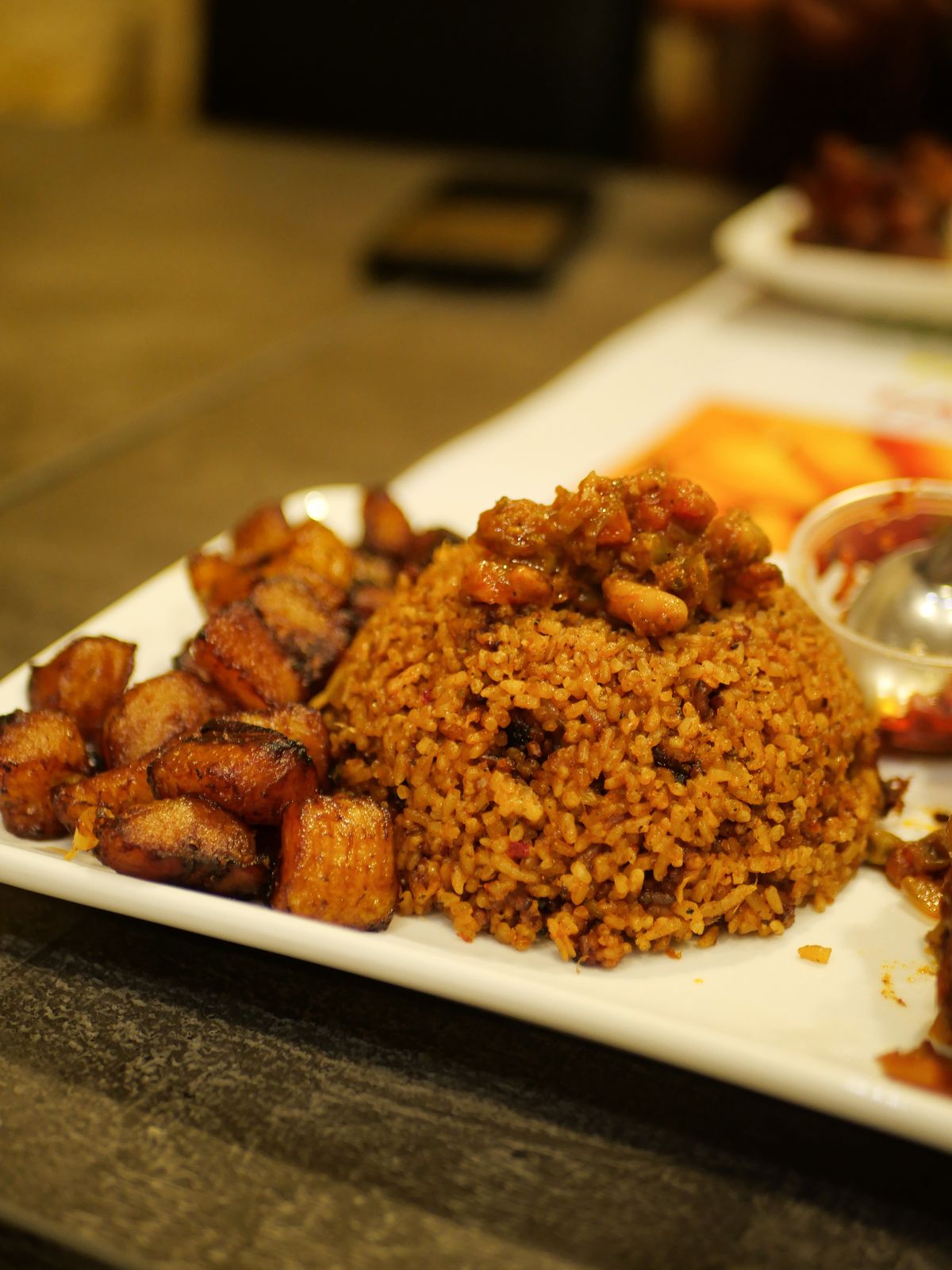
No conversation about Ghanaian food is complete without jollof rice. This vibrant, tomato-based rice dish is a centerpiece at parties, celebrations, and everyday family meals alike. Ghanaian jollof is typically made with long-grain rice, tomatoes, onions, and a blend of spices, often cooked with chicken, beef, or fish, and served alongside fried plantain or coleslaw. The friendly rivalry between Ghanaian and Nigerian jollof is practically a cultural institution of its own, with both countries fiercely proud of their version.
Banku and Tilapia
Banku is a smooth, slightly sour dough made from a fermented blend of corn and cassava, cooked until it reaches a soft, stretchy consistency. It's most famously paired with grilled tilapia and a fiery pepper sauce, a combination found at food stalls and family tables across Ghana. The tang of the fermented dough balances beautifully against the smoky char of the grilled fish and the heat of the sauce.
Kenkey
Kenkey is another fermented corn staple, similar in spirit to banku but firmer in texture and wrapped in corn husks or plantain leaves before boiling. Ga Kenkey and Fante Kenkey are the two best-known regional varieties, each with its own texture and flavor profile. Kenkey is traditionally served with fried fish, pepper sauce, or shito, and remains one of the most iconic dishes associated with Ghanaian food culture.
Waakye
Waakye is a hearty rice and bean dish, traditionally cooked with dried millet leaves or sorghum leaves, which give the rice its distinctive reddish-brown color. It's typically served as part of a larger plate that might include spaghetti, boiled egg, fried plantain, gari, and a spicy pepper sauce called shito. Waakye is a beloved breakfast and lunch staple, especially popular from street vendors across Accra.
Fufu
Fufu is made by pounding boiled cassava and plantain, or sometimes yam, into a smooth, stretchy dough. It's traditionally eaten by tearing off small pieces and using them to scoop up soup, rather than chewing it the way you would rice or bread. Fufu is often paired with light soup, groundnut soup, or palm nut soup, each bringing a different depth of flavor to the meal.
Red Red
Red red gets its name from its color, a dish of black-eyed peas stewed in palm oil and tomatoes, typically served alongside fried plantain. It's a simple, comforting combination that highlights how Ghanaian cooking can turn humble ingredients like beans and plantain into something deeply satisfying.
Kelewele
Kelewele is spiced fried plantain, cut into cubes and seasoned with ginger, chili pepper, and warm spices before being fried until caramelized and slightly crisp on the outside. It's a popular street food snack, often enjoyed on its own or alongside roasted peanuts.
Groundnut Soup and Palm Nut Soup
These two rich, hearty soups are staples of Ghanaian home cooking. Groundnut soup is made from a base of ground peanuts, giving it a thick, nutty richness, while palm nut soup relies on the deep, distinctive flavor of palm fruit. Both are typically served with a starchy accompaniment like fufu, banku, or rice, and often include chicken, beef, or fish.
Shito
While technically a condiment rather than a standalone dish, shito deserves its own mention because of how central it is to Ghanaian cooking. This dark, smoky pepper sauce is made from dried fish, dried shrimp, and chilies, slow-cooked in oil until deeply flavorful. It appears alongside kenkey, banku, waakye, rice, and countless other dishes, making it one of the most versatile condiments in Ghanaian cuisine.
What Makes Ghanaian Food Distinct
While Ghanaian cuisine shares many ingredients and techniques with its West African neighbors, a few things set it apart. Fermented corn staples like banku and kenkey play a larger role in everyday meals than in many other regional cuisines. Palm oil and palm nut feature heavily in soups and stews, giving many dishes their signature deep red color and rich flavor. And the pairing of starchy staples with grilled or fried fish, rather than red meat, reflects Ghana's long coastal fishing tradition.
Regional Variations Across Ghana
Ghana is home to many ethnic groups, and food traditions shift noticeably from region to region. In the Greater Accra region, the Ga people are closely associated with kenkey and a strong seafood tradition, given the area's coastal location. Along the central coast, the Fante people favor their own version of kenkey and lean heavily on fresh fish in their cooking. In the north, drier climates shape a cuisine built more around grains like millet and sorghum, along with groundnut-based dishes, reflecting a different agricultural reality than the south's tropical abundance of cassava and plantain. Understanding these regional differences helps explain why "Ghanaian food" isn't a single fixed menu, but a rich, varied tradition shaped by geography and ethnic heritage.
How Ghanaian Meals Are Traditionally Eaten
Beyond the dishes themselves, the way Ghanaian food is eaten carries its own tradition. Many staples like fufu, banku, and kenkey are eaten with the hands, using small torn pieces of the starch to scoop up soup or stew rather than relying on utensils. Meals are often shared from a communal bowl, especially in family settings, reflecting the cultural emphasis on togetherness at mealtime. Even in more modern, restaurant-style settings, that communal spirit tends to carry through, with dishes served generously and meant to be enjoyed slowly rather than rushed.
Bringing Traditional Ghanaian Food Into Your Kitchen
Recreating these dishes at home starts with sourcing the right ingredients, and that's often the hardest part for anyone outside Ghana. Palm oil, dried crayfish, fermented corn staples, and shito aren't things you'll typically find at a regular supermarket. For anyone building a Ghanaian pantry from outside the country, browsing a dedicated African grocery store online makes it possible to gather everything from kenkey to palm oil in a single order.
If you don't have a local African market nearby, ordering online is often the most reliable way to get consistent access to these staples. For more guidance on where to start, our guide on how to buy African food online in the USA walks through what to look for in a good supplier.
Frequently Asked Questions
What is the most popular traditional Ghanaian food?
Jollof rice is widely considered the most popular and recognizable Ghanaian dish, though banku with tilapia and waakye are equally beloved as everyday staples.
What's the difference between banku and kenkey?
Both are made from fermented corn, but banku includes cassava dough and has a smoother, softer texture, while kenkey is firmer and wrapped in corn husks or plantain leaves before boiling.
Is Ghanaian food spicy?
Many Ghanaian dishes include pepper sauce or shito on the side, allowing people to add heat to their own taste rather than building intense spice into every dish from the start.
What do Ghanaians typically eat with fufu?
Fufu is most commonly paired with light soup, groundnut soup, or palm nut soup, and is eaten by tearing off small pieces to scoop up the soup rather than being chewed on its own.
Where can I find authentic ingredients for Ghanaian cooking in the U.S.?
Specialty ingredients like palm oil, dried crayfish, and fermented corn staples are best sourced from African grocery stores, either locally or through an online supplier that ships nationwide.
Ghanaian Street Food and Snacks
Beyond the main dishes, Ghana has a vibrant street food culture worth knowing about. Roasted plantain, sold alongside roasted groundnuts, is a common evening snack found at roadside stalls throughout the country. Meat pies and chicken pies, flaky pastries filled with seasoned meat, are popular grab-and-go options for a quick bite. Bofrot, a lightly sweetened fried dough ball similar to a doughnut, is a favorite breakfast treat, often paired with tea or porridge. These smaller dishes round out the picture of Ghanaian food culture, showing that the tradition extends well beyond the main sit-down meals into the rhythms of everyday street life.
Final Thoughts
Traditional Ghanaian food tells a story of community, patience, and deep culinary pride, from the slow fermentation behind kenkey and banku to the communal joy of a well-made pot of jollof rice. Whether you're reconnecting with dishes you grew up eating or exploring Ghanaian cuisine for the first time, these staples offer a genuine window into one of West Africa's richest food traditions, one meal, one shared bowl, and one recipe passed down at a time.