
Cocoa Butter Benefits: What It Actually Does for Your Skin, Hair, and Body
Cocoa butter has been a staple in skincare routines for generations, long before it showed up on the label of a fancy body cream. Extracted from the cacao bean, the same plant that gives us chocolate, it's a rich, solid fat prized for how it softens and protects skin. But between wellness blogs, TikTok skincare trends, and old family remedies passed down through generations, it can be hard to separate what cocoa butter actually does from what's just marketing.
This guide breaks down the real cocoa butter benefits, backed by both traditional use and what dermatological research actually supports, so you know exactly what to expect before you add it to your routine.
What Cocoa Butter Actually Is
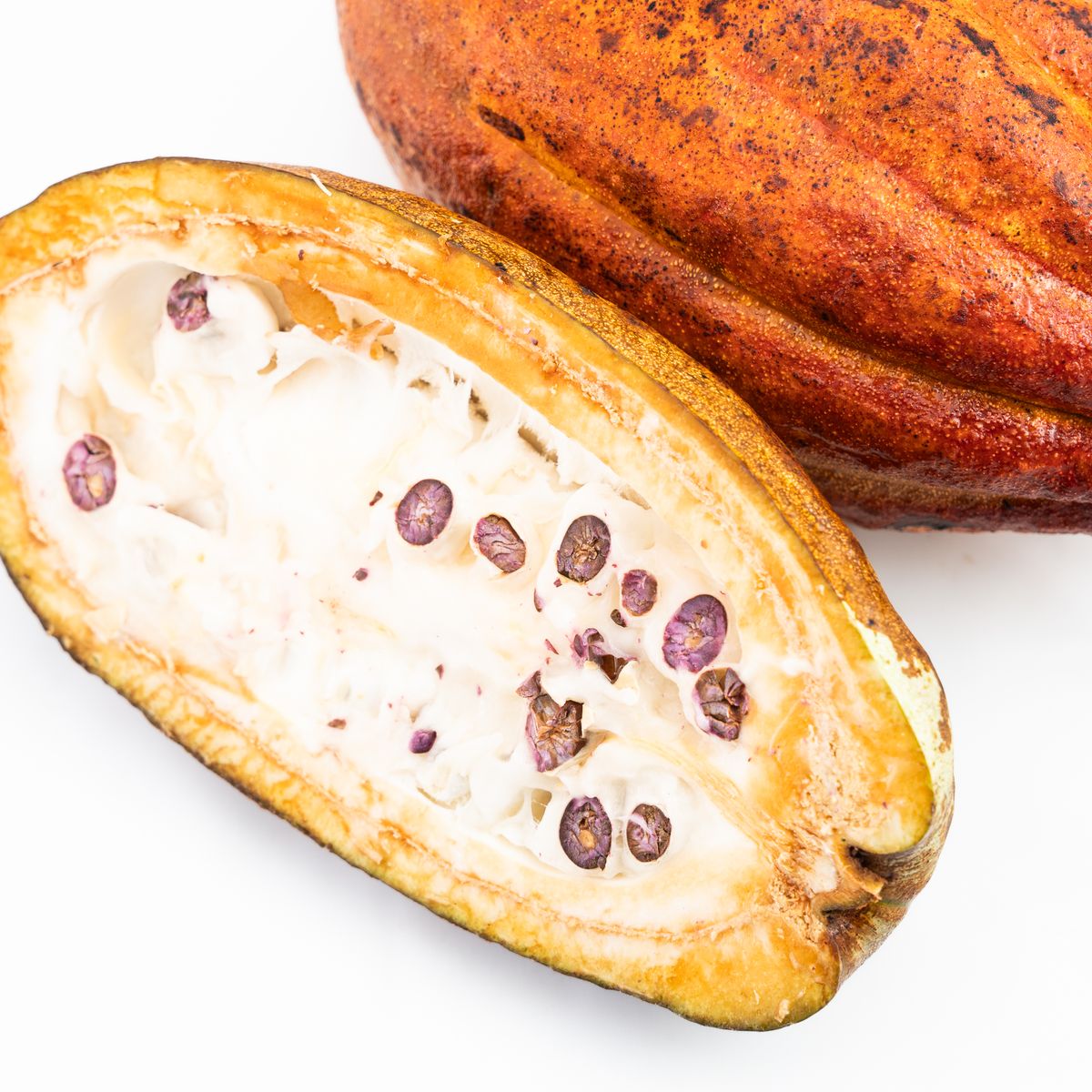
Cocoa butter is the natural fat pressed from roasted cacao beans. It's solid at room temperature but melts at body temperature, which is part of why it feels so luxurious when applied to skin. Unlike many synthetic moisturizers, it's rich in fatty acids, including oleic, stearic, and palmitic acid, along with natural antioxidants called polyphenols. Together, these give it both a moisturizing and a mildly protective effect on skin.
It's worth knowing there are two main types available: refined and unrefined (raw). Refined cocoa butter has been processed to remove its natural chocolate scent and some color, making it more neutral for cosmetic blending. Unrefined cocoa butter keeps its deep, slightly sweet cocoa aroma and more of its natural antioxidant content, though it can be harder to find and slightly more expensive. As Cleveland Clinic's overview of cocoa butter notes, its fatty acid content makes it genuinely effective for hydration, though claims about erasing scars or stretch marks entirely remain more anecdotal than clinically proven.
Cocoa Butter Benefits for Skin
1. Deep, Long-Lasting Moisture
This is cocoa butter's most well-known benefit, and for good reason. Its fatty acid content creates a protective layer on the skin's surface that helps lock in moisture and reduce water loss. For anyone dealing with dry patches, rough elbows, or cracked heels, cocoa butter tends to outperform lighter lotions simply because it sits on the skin longer and seals in hydration more effectively.
2. Helps Minimize the Look of Stretch Marks
Cocoa butter has long been used during and after pregnancy to help keep skin supple as it stretches. While it can't prevent stretch marks entirely, since that largely comes down to genetics and how quickly skin stretches, keeping the skin well moisturized and more elastic can help reduce their severity and support smoother-looking skin as it recovers. This is one of the most searched and most talked-about uses of cocoa butter, and it remains one of the main reasons people reach for it.
3. Supports the Appearance of Scars
Similar to its use for stretch marks, cocoa butter is often applied to healing scars to keep the surrounding skin hydrated and supple. Well-moisturized skin tends to heal with a smoother texture, which is why cocoa butter has remained a go-to in scar care routines for decades, particularly in communities where it's been used traditionally for generations.
4. Rich in Antioxidants
The polyphenols in cocoa butter help protect skin cells from oxidative stress caused by everyday environmental exposure, like sun and pollution. While it isn't a substitute for sunscreen, this antioxidant content adds a layer of protection that supports overall skin health over time.
5. Soothes Irritated or Sensitive Skin
Because cocoa butter is gentle and free of common irritants found in some synthetic lotions, it's often well tolerated by sensitive skin. Its emollient properties can help calm areas that feel tight, flaky, or irritated from cold weather, harsh soaps, or over-exfoliation.

Cocoa Butter Benefits for Lips
Cocoa butter's thick, occlusive texture makes it an excellent lip treatment, especially in dry or cold climates. It creates a barrier that helps prevent moisture loss, which is why it's a common ingredient in lip balms and butters. A small amount applied at night can leave lips noticeably softer by morning, without the sticky feeling some petroleum-based balms leave behind.
Cocoa Butter Benefits for Hair
While it's best known as a skin product, cocoa butter also has a place in hair care, particularly for coily, curly, or very dry hair textures. It can be melted down and used sparingly on hair ends to seal in moisture, reduce frizz, and add a healthy shine. Because it's heavier than many hair oils, it works best on dry or damaged ends rather than close to the scalp, where it can weigh hair down or clog pores if overused.
How to Use Cocoa Butter Safely and Effectively
Do a patch test first. Cocoa butter is generally well tolerated, but anyone with a known cocoa or chocolate allergy should test a small area before applying it more broadly.
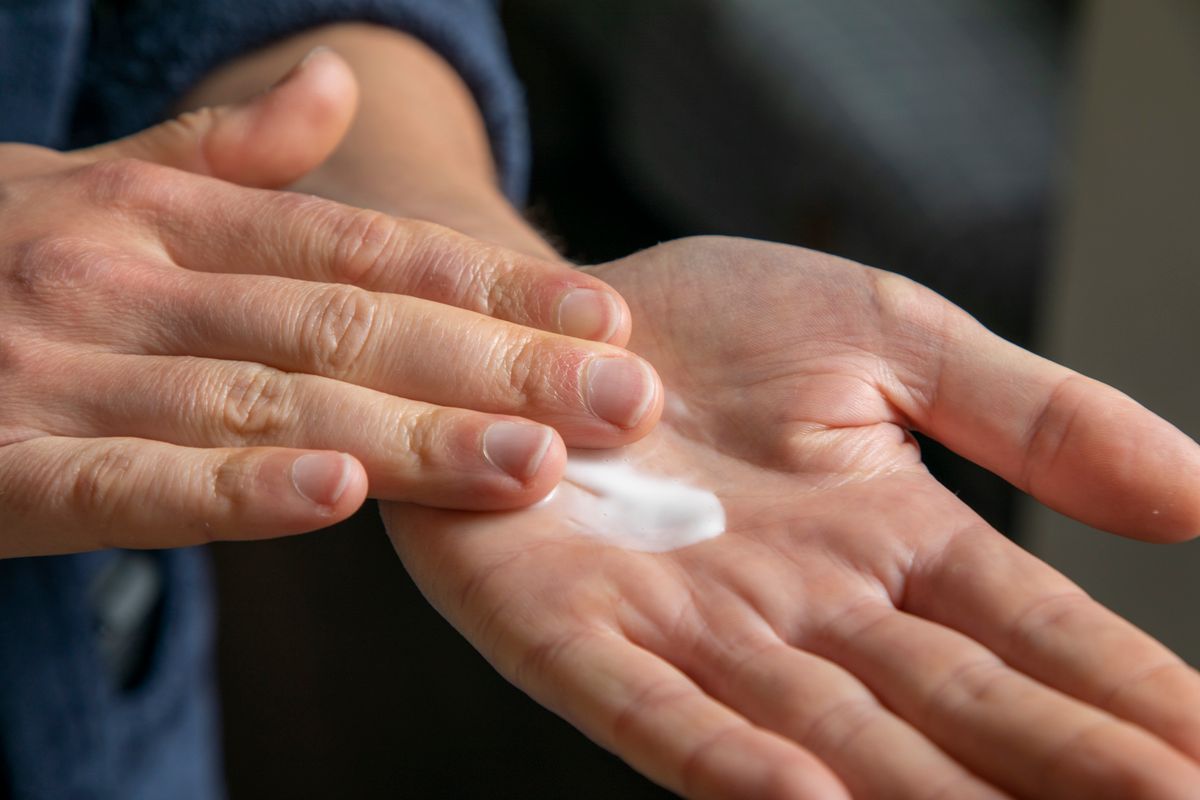
Warm it between your hands. Since it's solid at room temperature, rubbing a small amount between your palms first makes it easier to spread evenly and helps it absorb better.
Apply to damp skin. Using cocoa butter right after a shower, while skin is still slightly damp, helps lock in extra moisture and improves absorption.
Don't overapply on the face. Cocoa butter is quite rich, and for people with oily or acne-prone skin, it can feel heavy or contribute to clogged pores if used too generously. It tends to work best on the body, hands, feet, and lips rather than as a primary daily face moisturizer for every skin type.
Choose the right form for your goal. Whole cocoa butter (in solid block or chunk form) offers the most concentrated benefits, while cocoa butter creams and lotions are blended with other ingredients for easier daily application. Both have their place depending on how intensely you want to moisturize.
Cocoa Butter vs. Shea Butter: What's the Difference?
These two are often mentioned together, and for good reason, since both are rich, plant-based butters used for deep moisturizing. The main difference comes down to texture and origin. Cocoa butter is firmer, has a natural chocolate scent, and creates more of a protective seal on skin. Shea butter, pressed from the nut of the shea tree, is slightly softer, has a more neutral scent, and tends to absorb a bit faster. Many skincare products actually combine both, using shea butter for lighter daily moisture and cocoa butter for deeper, more targeted hydration on rough or scarred areas.
Where to Find Authentic Cocoa Butter
Not all cocoa butter on the market is created equal. Some mass-produced versions are heavily processed and blended with fillers, which weakens both the scent and the skin-nourishing properties that make cocoa butter worth using in the first place. Traditional West African brands, often sold alongside other African beauty staples like shea butter, tend to preserve more of the ingredient's natural character. If you're building out a routine with authentic cocoa butter products, browsing a dedicated African grocery store online is often the most reliable way to find genuine, well-sourced options rather than a diluted supermarket version.
For anyone outside a major city without easy access to a specialty beauty aisle, ordering online tends to be the most consistent option. Our guide on how to buy African food online in the USA also covers general tips for evaluating a supplier's reliability, many of which apply just as well when sourcing skincare staples like cocoa butter.
Who Should Be Cautious With Cocoa Butter
Cocoa butter is generally safe for most people, but a few groups should use it with a bit more care. Those with acne-prone or very oily skin may find it too heavy for daily facial use. Anyone with a known allergy to chocolate or cacao should patch test before wider use. And while cocoa butter is a popular pregnancy skincare staple, anyone with sensitive or reactive skin during pregnancy should still introduce new products gradually rather than all at once.
Frequently Asked Questions
Does cocoa butter actually prevent stretch marks?
Not entirely, since stretch marks are largely determined by genetics and how quickly skin stretches. However, keeping skin well moisturized with cocoa butter can help support elasticity and may reduce the severity of stretch marks as skin stretches and heals.
Can cocoa butter clog pores?
It can, particularly for those with oily or acne-prone skin, since it's a rich, heavy fat. It's generally better suited for the body, hands, and feet than as a daily facial moisturizer for every skin type.
Is raw cocoa butter better than refined cocoa butter?
Raw, unrefined cocoa butter retains more of its natural antioxidants and scent, while refined cocoa butter is processed to be more neutral for cosmetic use. Both offer moisturizing benefits, so the better choice depends on whether you prefer the natural chocolate aroma or a scent-free product.
How often should I use cocoa butter on my skin?
Daily use is fine for most people, especially on dry areas like elbows, knees, and heels. For the face, it's best used sparingly or skipped entirely if you have oily or acne-prone skin.
Can cocoa butter help with scars?
It can support the healing process by keeping surrounding skin hydrated and supple, which often helps scars appear smoother over time. It won't erase a scar, but consistent use as part of a healing routine is a long-standing traditional practice for a reason.
Final Thoughts
Cocoa butter has earned its reputation the old-fashioned way, through generations of consistent use for dry skin, stretch marks, scars, and everyday moisture. It isn't a miracle product, and it isn't right for every skin type or every part of the body, but for deep, lasting hydration, it remains one of the most trusted natural ingredients available. Whether you're reaching for a solid block, a whipped cream, or a lotion blend, understanding what cocoa butter actually does, and how to use it well, makes it far more effective as part of your routine.