
Authentic African Spices: A Guide to the Blends That Define West African Cooking
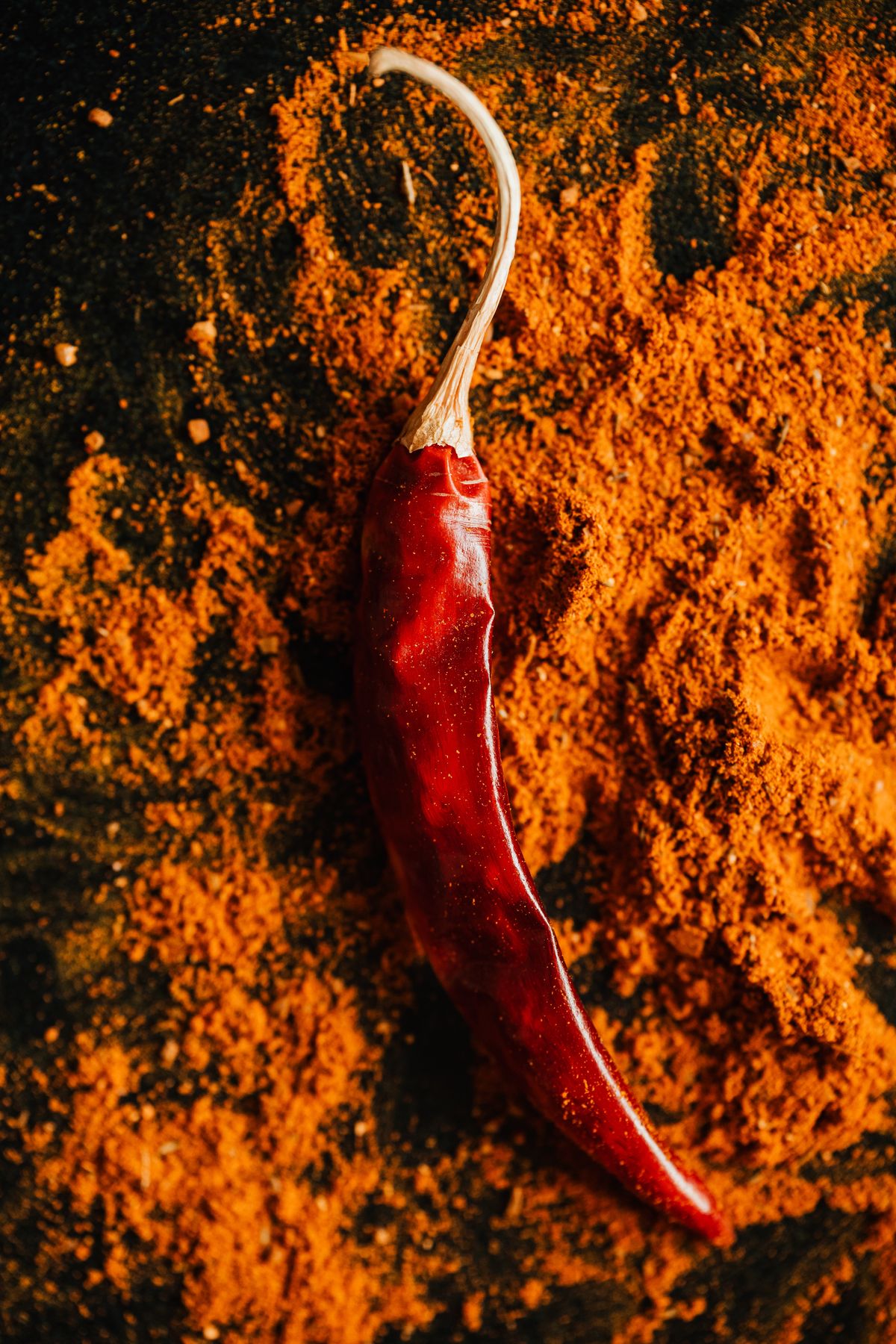
Ask anyone who has tasted real West African food what makes it so distinctive, and the answer almost always comes back to the spices. Authentic African spices aren't just about heat, they're about layered, complex flavor built from a combination of dried peppers, aromatic seeds, and regional blends that have been perfected over generations. This guide walks through the most important spices in West African cooking, what they actually taste like, and how to use them so your dishes taste like the real thing rather than an approximation.
Suya Spice (Yaji)
Suya spice, also called yaji, is probably the most recognizable West African spice blend outside the region. Traditionally used to season suya, the smoky grilled skewered meat popular across Nigeria, this blend combines ground roasted peanuts, dried chili peppers, ginger, garlic, and onion powder into a bold, slightly nutty, deeply spicy seasoning. According to Wikipedia's entry on yaji, the exact recipe varies by region and household, much like curry powder does in other cuisines, meaning no two suya spice blends taste exactly alike. It works beautifully well beyond suya itself, on grilled chicken, roasted vegetables, or even sprinkled over popcorn for something unexpected.
Alligator Pepper
Alligator pepper is one of those ingredients that surprises people the first time they encounter it. The small, dark seeds pack a peppery, slightly bitter heat with hints of cardamom and citrus. It's used both in cooking and, traditionally, in ceremonial contexts across parts of West Africa. In the kitchen, it's often added whole or crushed into soups and stews, releasing its flavor slowly as the dish simmers.
Prekese
Prekese is a large, dark spice pod widely used in Ghanaian cooking, particularly in soups like light soup and palm nut soup. It has a subtly sweet, slightly fermented aroma that's hard to compare to anything else, which is exactly why it's so difficult to substitute. A single pod added to a simmering pot can transform the depth of a soup, which is part of why it's considered such an essential ingredient in traditional Ghanaian kitchens.
Uziza Seeds and Leaves
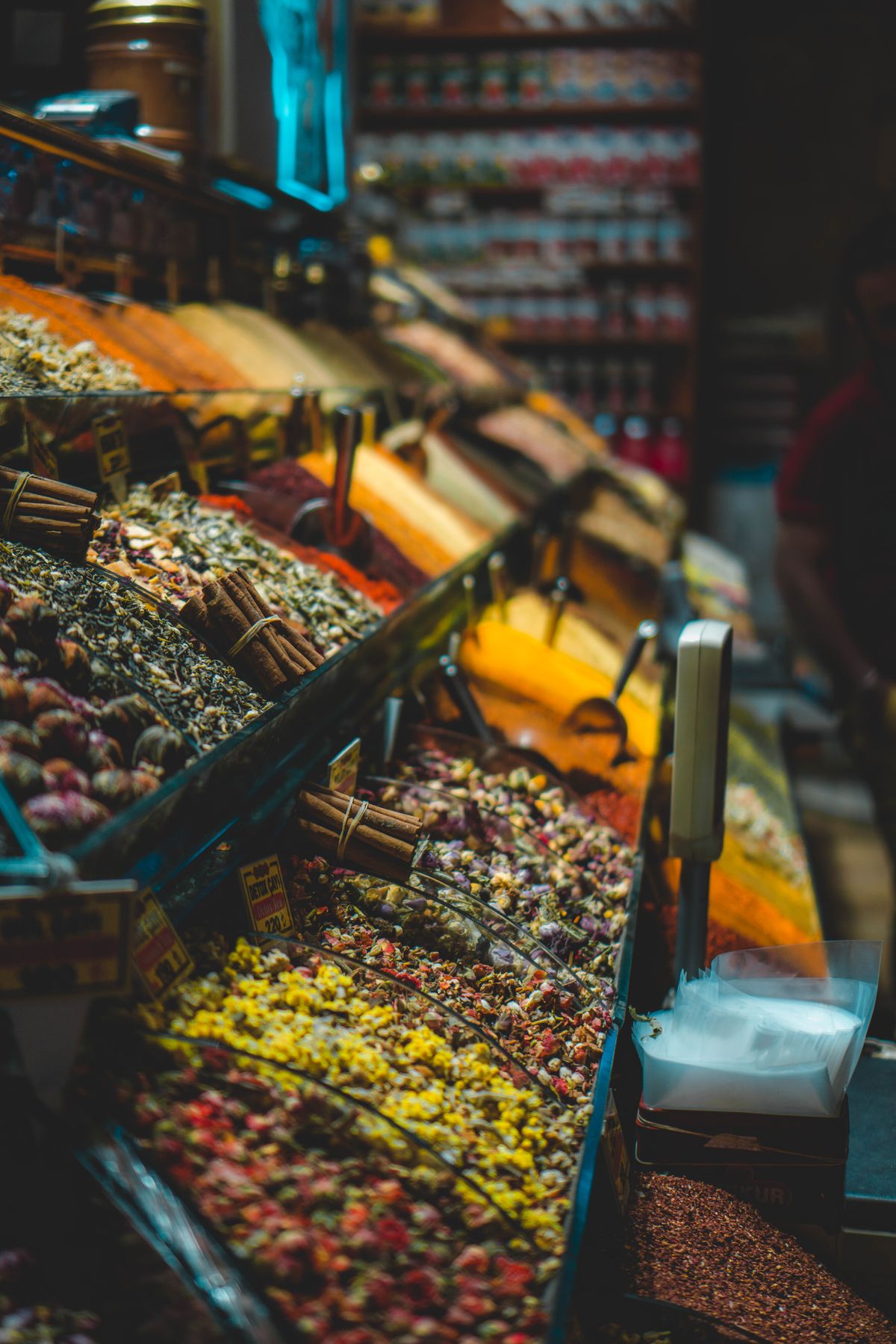
Uziza is a West African pepper plant used in two forms, the dried seeds and the fresh leaves, each bringing something different to a dish. The seeds have a peppery, slightly earthy bite, often ground into pepper soup spice blends. The leaves, meanwhile, are used more like an aromatic herb, added toward the end of cooking to preserve their fresh, slightly spicy flavor. Together, they're a signature part of dishes like pepper soup and certain vegetable soups.
Ehuru (Calabash Nutmeg)
Ehuru, also known as calabash nutmeg, offers a warm, slightly bitter, nutmeg-adjacent flavor that's a key part of many traditional pepper soup blends. It's typically roasted lightly before grinding, which deepens its aroma and rounds out its bitterness into something more complex and savory.
Grains of Selim
Grains of selim, sometimes called African pepper or Senegal pepper, are long dark pods filled with small seeds that carry a smoky, peppery flavor with subtle notes of nutmeg and citrus. They're often toasted before use to bring out their aroma, then ground or added whole to soups and stews, particularly in dishes with a smoky, slow-cooked character.
Pepper Soup Spice Blends
Rather than a single spice, pepper soup spice is typically a pre-mixed blend combining several of the spices above, uziza, ehuru, grains of selim, and sometimes alligator pepper, into one convenient mix. This blend is the backbone of Nigerian pepper soup, a light, intensely aromatic broth traditionally served with fish, goat meat, or chicken. Having a good pepper soup spice blend on hand makes it far easier to recreate this dish authentically without hunting down each individual spice separately.
Curry Powder and Thyme
While curry powder and thyme aren't unique to West Africa, they've become deeply integrated into the region's cooking, especially in jollof rice, stews, and fried rice. West African curry powder blends tend to be milder and more aromatic than South Asian curry blends, leaning on turmeric, coriander, and warm spices rather than intense heat, since the heat in most dishes comes separately from fresh or dried chilies.
Scotch Bonnet and Dried Chili Peppers
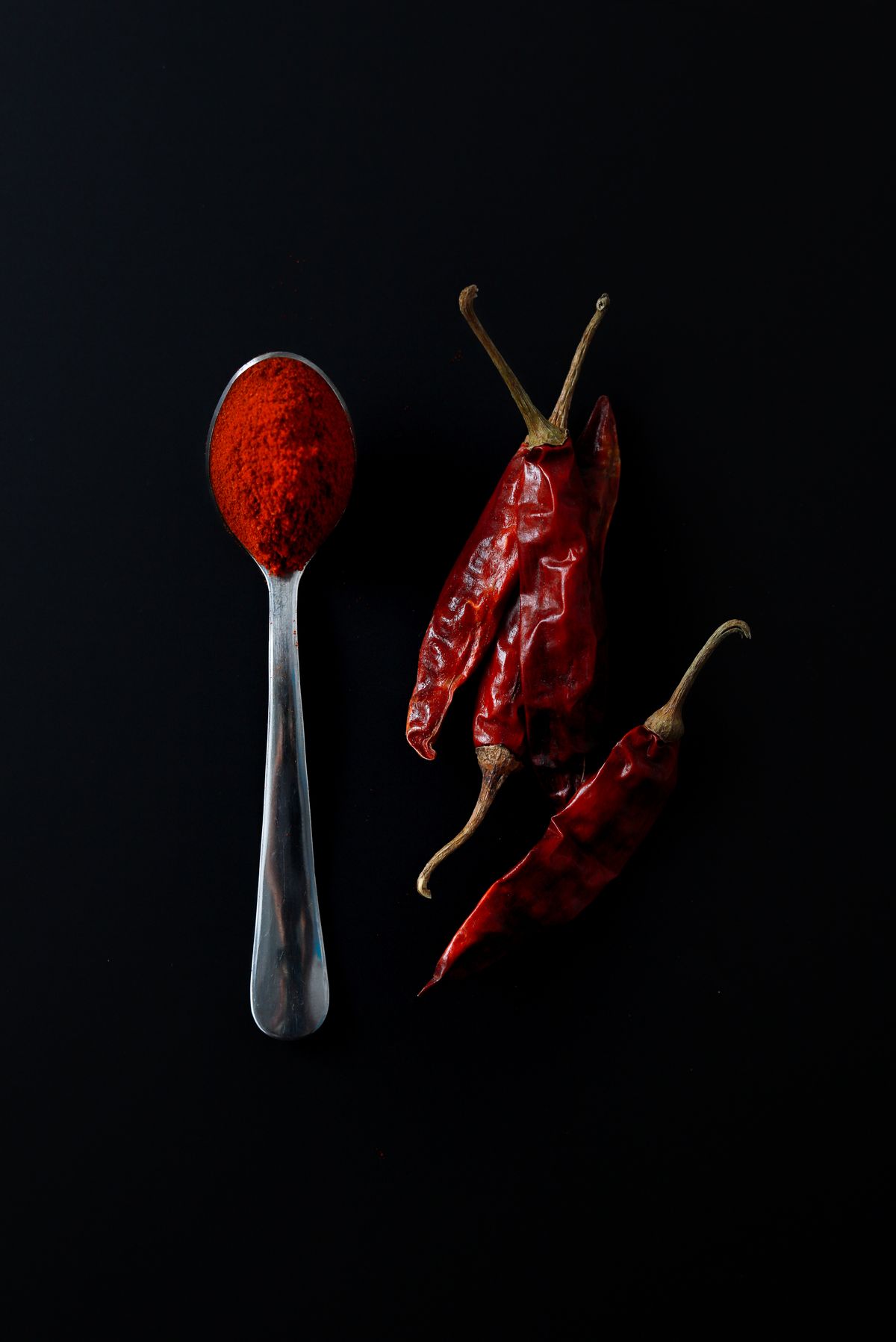
No discussion of authentic African spices is complete without scotch bonnet peppers, the primary source of heat across most West African cooking. Fresh scotch bonnets bring a fruity, distinctive heat that's genuinely different from milder chili varieties, while dried and ground versions offer a more concentrated, slow-building spice that's easier to store and portion into recipes.
How Spice Traditions Vary Across West Africa
Just as with cooking ingredients more broadly, spice traditions shift noticeably across the region. Nigerian cooking leans heavily on suya spice, uziza, ehuru, and grains of selim, particularly in pepper soup and grilled meat dishes. Ghanaian cooking makes prekese a central player in soups, alongside a strong reliance on dried and smoked fish for savory depth rather than a heavy spice blend approach. Further west, in countries like Senegal, spice profiles shift again, incorporating different pepper varieties and aromatic combinations shaped by their own culinary history. Recognizing these differences helps explain why a spice blend that works beautifully in one country's cuisine might feel slightly out of place in another's, even though both fall under the broad umbrella of West African cooking.
Tips for Cooking With Authentic African Spices
Toast whole spices before grinding. Lightly toasting grains of selim, ehuru, or alligator pepper in a dry pan before grinding brings out their aromatic oils and results in a noticeably deeper flavor than using them raw.
Start with less than you think you need. Many of these spices, particularly grains of selim and alligator pepper, are far more potent than their mild appearance suggests. Adding gradually and tasting as you go prevents a dish from becoming overwhelming.
Pair spices with the right cooking method. Spices meant for slow-simmered soups, like prekese and ehuru, need time in the pot to fully release their flavor. Dry rubs like suya spice, on the other hand, are meant to sit on the surface of grilled or roasted meat rather than be cooked into a liquid base.
Don't skip the aromatics. Fresh ginger, garlic, and onion work alongside these spices rather than replacing them. A pepper soup or stew built only on dried spices without fresh aromatics will taste noticeably flatter than the traditional version.
How to Store African Spices Properly
Whole spices like grains of selim, ehuru, and prekese last significantly longer than pre-ground versions, since grinding exposes more surface area to air and speeds up flavor loss. Store whole spices and pods in airtight containers away from direct light and heat, and grind only what you need for a given dish when possible. Pre-mixed blends like suya spice and pepper soup spice should also be kept airtight and used within a few months for the best flavor, since the combination of ground ingredients tends to lose potency faster than whole spices stored on their own.
Where to Find Authentic African Spices
The challenge for most people outside West Africa isn't knowing which spices to use, it's actually finding them. Regular supermarkets rarely stock prekese, grains of selim, or authentic suya spice, which pushes most home cooks toward specialty sourcing. Browsing a dedicated African grocery store online is often the most reliable way to access these spices in one place, rather than piecing together orders from multiple suppliers.
If you're new to sourcing West African ingredients from outside the region, our guide on how to buy African food online in the USA walks through what to look for in a reliable supplier, including how to judge freshness and authenticity before you order.
Frequently Asked Questions
What is the most commonly used African spice blend?
Suya spice, also known as yaji, is one of the most widely recognized and used West African spice blends, valued for its smoky, nutty, and spicy flavor profile.
Can I substitute regular chili powder for authentic African spices?
You can for heat alone, but the flavor won't be the same. Spices like grains of selim, prekese, and uziza bring aromatic complexity that plain chili powder simply doesn't replicate.
How long do whole African spices last?
Stored properly in an airtight container away from heat and light, whole spices like grains of selim and ehuru can last a year or more, while ground blends are best used within a few months for optimal flavor.
What's the difference between suya spice and pepper soup spice?
Suya spice is peanut-based and used primarily as a dry rub for grilled meat, while pepper soup spice is a blend of aromatic spices like uziza, ehuru, and grains of selim used to flavor light, brothy soups.
Where can I buy authentic African spices in the U.S.?
Authentic African spices are best sourced from African grocery stores, either locally or through an online supplier that specializes in West African ingredients and ships nationwide.
Final Thoughts
Authentic African spices are what turn a good dish into an unmistakably West African one, and once you understand what each one contributes, from the smoky warmth of grains of selim to the peppery bite of alligator pepper, cooking with them becomes far less intimidating. Building a proper spice collection takes a little effort to source, but the payoff is a pantry capable of recreating the real flavors of West African cuisine, not just an approximation of them.