
Akwaaba Kenkey: A Beginner's Guide to Ghana's Favorite Fermented Corn Staple
If you've spent any time browsing Ghanaian groceries online, you've probably come across Akwaaba Kenkey, often described as the perfect first taste of home. For anyone new to Ghanaian food, or anyone missing it badly enough to order it across state lines, kenkey can seem like a mystery at first. What exactly is it? How do you eat it? Why do people describe it with so much nostalgia?
This guide breaks down everything you need to know about Akwaaba Kenkey, from what it actually is and how it's traditionally made, to how to serve it and why it's become such a popular starting point for people exploring West African cuisine for the first time.
What Is Kenkey, Exactly?
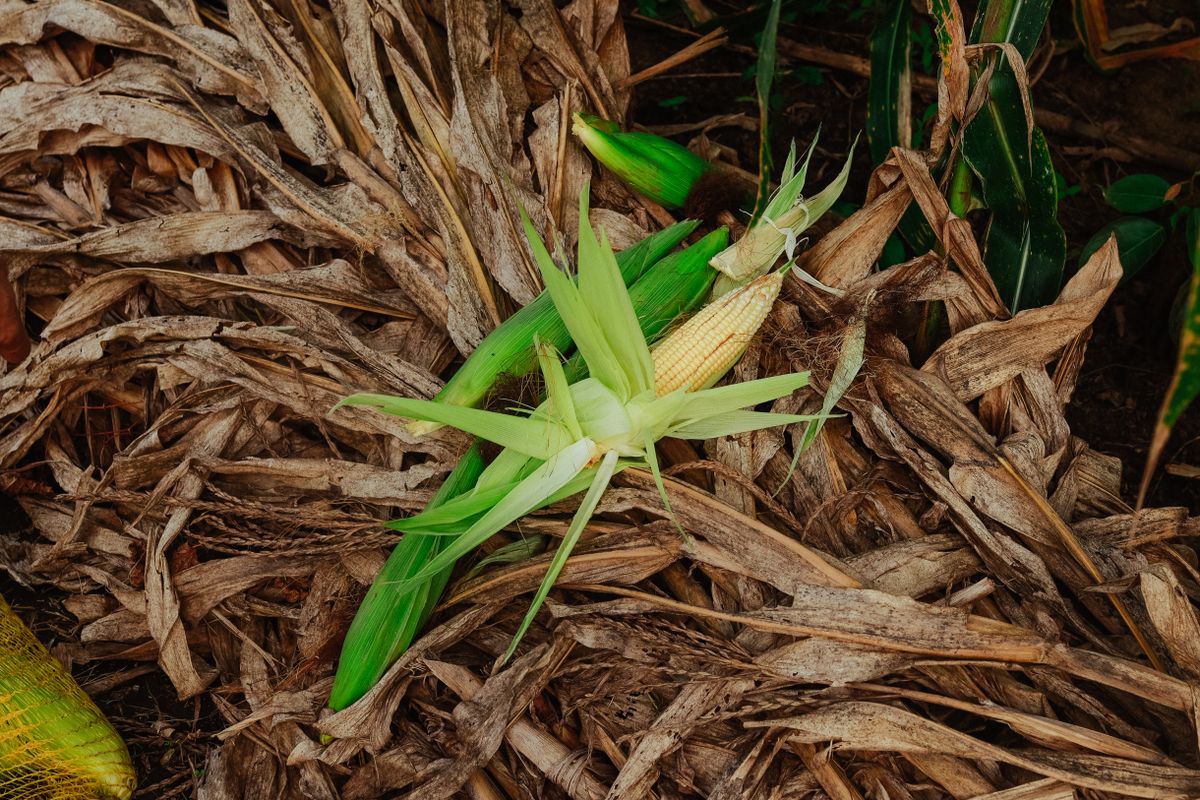
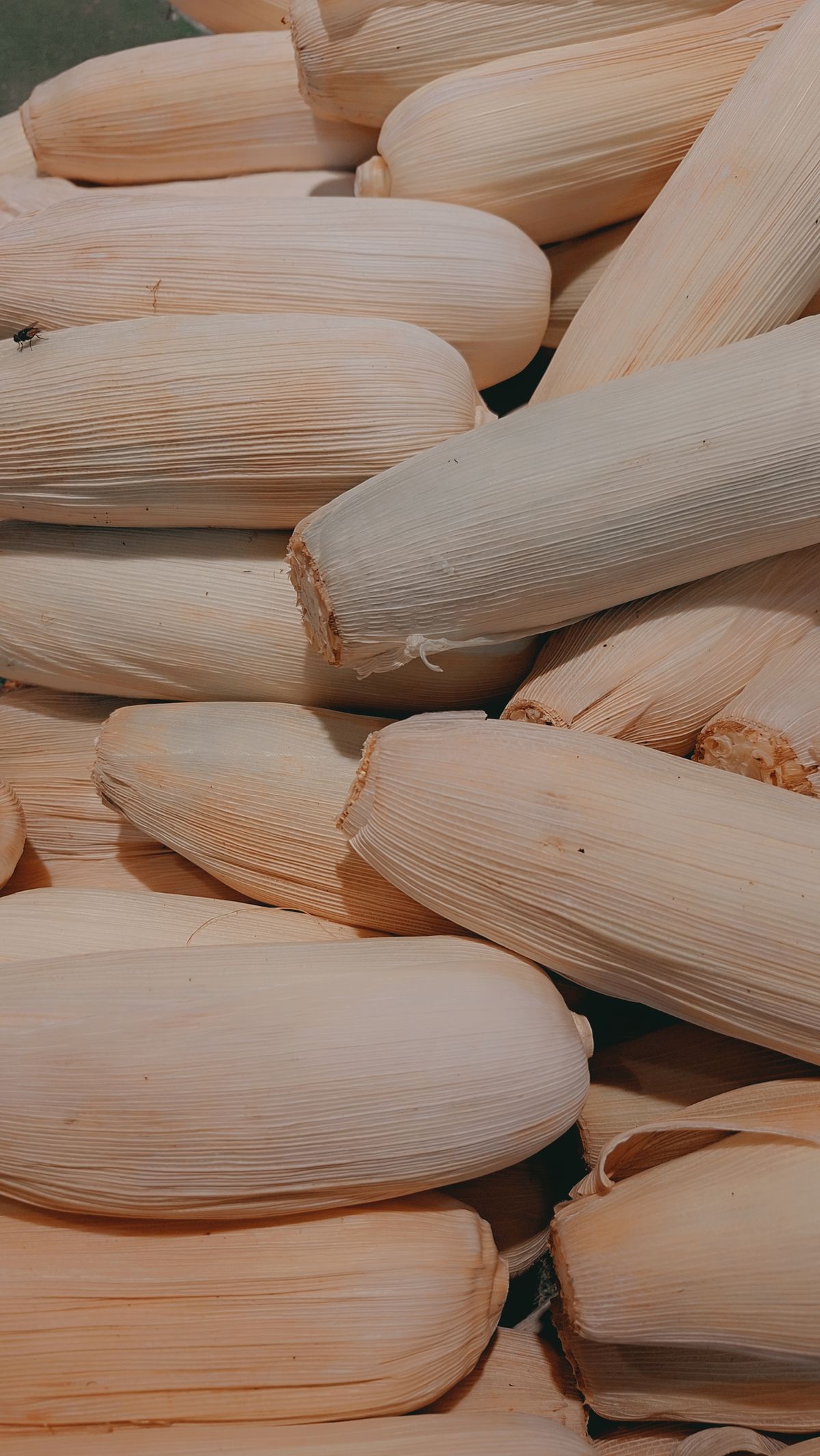
Kenkey is a traditional Ghanaian staple made from fermented corn dough. The dough is partially cooked, wrapped in dried corn husks or plantain leaves, and then boiled until firm. That fermentation step is what gives kenkey its distinctive tangy, slightly sour flavor, which is part of what makes it so different from other corn-based staples across the world.
It's eaten daily across Ghana and is considered one of the country's most iconic dishes. According to Wikipedia's overview of kenkey, the dish is also enjoyed in parts of Côte d'Ivoire, Togo, and Benin, and has even traveled further afield through the diaspora, showing up under different names in places like Jamaica and Guyana.
What Makes Akwaaba Kenkey Different
"Akwaaba" is the Twi word for welcome, and it's a fitting name for a kenkey pack designed with newcomers in mind. Akwaaba Kenkey is packaged specifically for people who are either new to kenkey and want to try it for the first time, or who already love it and want a reliable, ready-to-eat option without going through the multi-day traditional preparation process at home.
Traditional kenkey preparation is a labor of love. It typically takes two or more days, since the corn dough needs time to properly ferment before it's shaped, wrapped, and boiled. That's part of why kenkey is often described as a dish made with patience and, in many households, made as a family activity. Akwaaba Kenkey delivers that same authentic fermented flavor and texture without requiring you to start the process days in advance.
Ga Kenkey vs. Fante Kenkey vs. Akwaaba Kenkey
If you've looked around for kenkey online, you've probably noticed a few different names attached to it. Here's how they generally differ:
Ga Kenkey comes from the Ga people of the Greater Accra region. It tends to have a firmer texture and a stronger, more pronounced fermented flavor.
Fante Kenkey comes from the Fante people along Ghana's central coast. It's typically softer and milder in flavor, and is often wrapped in plantain leaves rather than corn husks, which adds a subtly different aroma.
Akwaaba Kenkey is positioned as an accessible, welcoming entry point, ideal for someone trying kenkey for the first time or for anyone who wants a dependable, ready-to-enjoy pack without hunting down a specific regional variety.
How to Eat Kenkey
Kenkey is incredibly versatile, and part of the fun of trying it for the first time is discovering how many ways it can be served.
With fried fish and pepper sauce. This is the most classic pairing. The tangy kenkey balances beautifully against crispy fried fish and a spicy, well-seasoned pepper sauce.
With shito. Ghana's beloved black pepper sauce, made from smoked fish, dried shrimp, and chilies, is a favorite companion to kenkey for anyone who wants deep, smoky heat.
With stew or soup. Kenkey can stand in for rice or bread alongside a hearty meat, fish, or vegetable stew, soaking up the flavors much the way a good piece of bread would.
As ice kenkey. For something completely different, kenkey can be mashed and blended with sugar, milk, or groundnuts into a cold, dessert-like treat that's especially popular as a refreshing street food in Ghana.
Is Kenkey Healthy?
Kenkey is made primarily from fermented corn, which means it's naturally rich in carbohydrates that provide steady energy. Fermentation itself has some added benefits, since the process can make certain nutrients easier for the body to absorb and is often associated with better digestion compared to unfermented corn products. It's a filling, satisfying staple that has sustained generations of Ghanaian households, which says a lot about both its nutritional value and its staying power in the culture.
Because kenkey is naturally low in fat and free of any added preservatives in its traditional form, it fits comfortably into a wide range of diets. Pairing it with protein, like fried fish or a stew rich in vegetables, rounds out the meal into something genuinely balanced rather than just a carbohydrate-heavy side.
The Cultural Significance of Kenkey
Kenkey isn't just food in Ghana, it's tied closely to identity, family tradition, and even celebration. In Accra, kenkey is so deeply woven into local life that there's an annual festival dedicated to it, where the dish is served alongside fries, stews, and salads in creative combinations. Families often pass down their own specific method for making kenkey, with small variations in fermentation time or wrapping technique that get handed from one generation to the next.
For members of the Ghanaian diaspora living far from home, kenkey often carries an emotional weight that goes beyond the plate. It's frequently one of the first things people crave when they're missing home, and one of the dishes most closely associated with childhood meals and family gatherings. That's part of why a product like Akwaaba Kenkey resonates so strongly, since it isn't just delivering a food item, it's delivering a piece of that connection to people who might otherwise go without it.
How to Store and Prepare Akwaaba Kenkey at Home
Once your Akwaaba Kenkey Pack arrives, storage is simple. Kept refrigerated, kenkey typically stays fresh for about a week, and it can also be frozen for longer storage if you want to stock up. When you're ready to eat it, kenkey can be enjoyed cold, at room temperature, or gently warmed, depending on personal preference and what you're pairing it with. Many people find that a quick steam or a few minutes in the microwave, still wrapped, brings back that just-made softness.
Why Akwaaba Kenkey Is a Great Starting Point
For anyone exploring Ghanaian food for the first time, kenkey can feel like a bigger commitment than, say, jollof rice, mostly because the flavor is so distinct. The tanginess from fermentation takes some people by surprise the first time they try it. That's exactly why a pack designed with beginners in mind matters. Akwaaba Kenkey gives newcomers an authentic, well-made introduction without the pressure of getting a multi-day fermentation process right on the first attempt.
For anyone who grew up eating kenkey and has been missing it, ordering it online closes a gap that used to mean either making it from scratch or going without entirely. If you don't have access to a local African market, browsing a full African grocery store online makes it possible to get kenkey, along with the fish, pepper sauce, and other staples that go with it, all in one order.
Frequently Asked Questions
What does kenkey taste like?
Kenkey has a tangy, slightly sour flavor that comes from the fermentation process, along with a dense, chewy texture. It's often compared to a firm, tart corn dumpling.
Is Akwaaba Kenkey the same as Ga Kenkey or Fante Kenkey?
Akwaaba Kenkey is designed as an approachable, ready-to-eat option that captures the authentic fermented flavor of traditional kenkey, making it a great choice for both newcomers and kenkey lovers who want convenience without sacrificing taste.
What do you eat with kenkey?
Kenkey is most commonly paired with fried fish and pepper sauce or shito, though it also works well alongside stews, soups, or even as a cold dessert known as ice kenkey.
How long does kenkey last once it arrives?
Refrigerated kenkey typically stays fresh for about a week, and it can be frozen for longer storage if needed.
Where can I buy authentic kenkey in the U.S.?
Authentic kenkey, including Akwaaba Kenkey, can be ordered from online African grocery stores that specialize in West African staples, making it accessible even if you don't live near a physical African market. For more on getting Ghanaian and Nigerian staples delivered nationwide, see our guide on how to buy African food online in the USA.
Tips for First-Time Kenkey Eaters
Start with a small piece. The tanginess can be surprising if you're used to milder corn-based staples, so a smaller first bite lets you adjust before diving into a full portion.
Pair it with something bold. Kenkey's sourness holds up well against strong, spicy flavors, so don't be afraid to go generous with pepper sauce or shito on your first try.
Give it a little time to warm up. Kenkey straight from the fridge can taste noticeably different than kenkey at room temperature or lightly warmed, so experiment to find the texture and temperature you enjoy most.
Final Thoughts
Kenkey is one of those dishes that says a lot about Ghanaian food culture in a single bite: patient, fermented, deeply traditional, and endlessly versatile depending on what you pair it with. Akwaaba Kenkey makes that experience accessible, whether you're tasting it for the very first time or reconnecting with a flavor you grew up with. Either way, it's a fitting welcome to one of Ghana's most beloved staples.